

Not everything that fails is a usability problem.
Karis is a UX researcher and service designer focused on complex public and digital services. Her work began with usability, information architecture, and user research, but increasingly moved beyond the interface to examine how information, processes, stakeholders, and service structures shape the user experience. This systems perspective now informs her approach to research and service design.
Her current independent research explores human oversight, explainability, and failure modes in AI-enabled services, alongside broader questions of complex service delivery.
Project experience spans education, B2B clean-energy SaaS, and social-impact services, with a focus on public and institutional systems. 🇨🇦
Her current independent research explores human oversight, explainability, and failure modes in AI-enabled services, alongside broader questions of complex service delivery.
Project experience spans education, B2B clean-energy SaaS, and social-impact services, with a focus on public and institutional systems. 🇨🇦
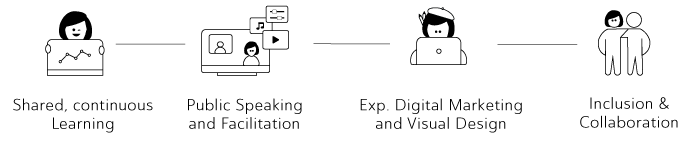
TCPS 2 CORE–certified, she has experience conducting research with diverse communities, including Indigenous groups, newcomers, and racialized populations. Her practice emphasizes ethical rigor, cultural sensitivity, and accountability, helping ensure that complex digital transitions remain inclusive and responsive to the communities they affect.
Research Strategy
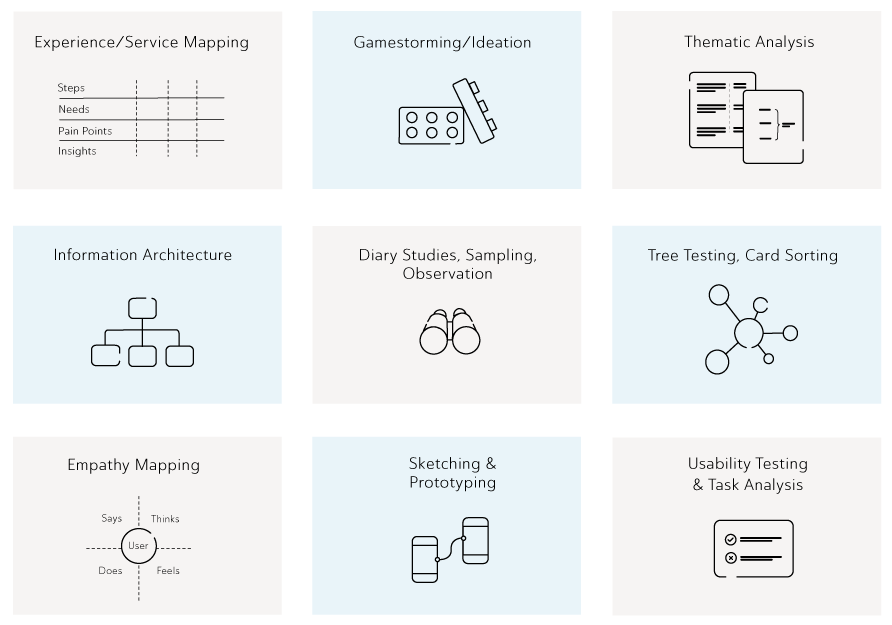
Research is conducted through iterative, evidence-based cycles designed to support informed decision-making. Karis draws from a toolkit of 100+ research and service-design methods, selecting and adapting them based on the research question, participants, constraints, and decisions at stake.
Research Methods & Frameworks
Selected UX research and service-design methods used to investigate complexity, synthesize evidence, and support better service and product decisions.

Testimonials
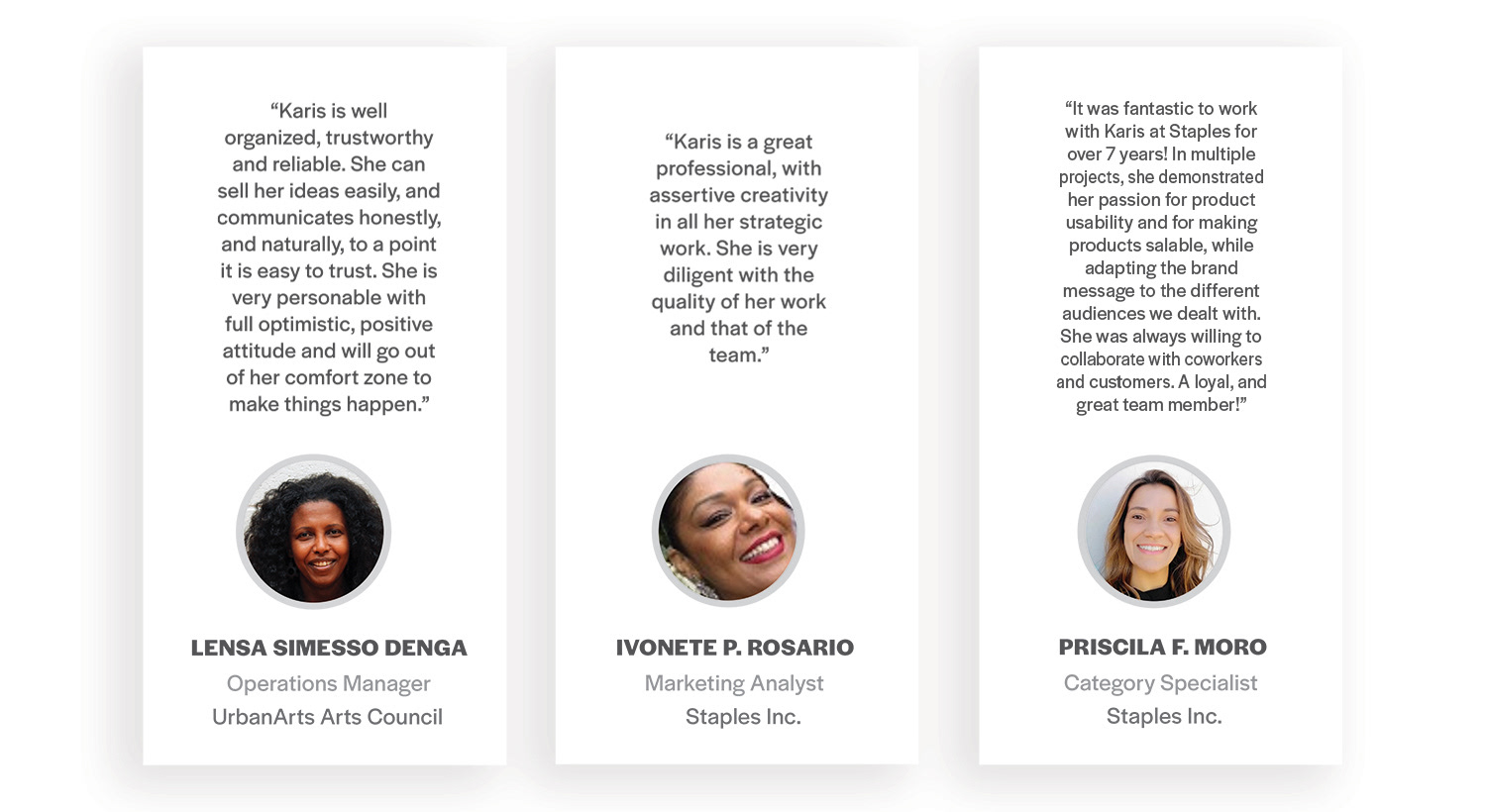
Recommendations from past fellow workers